Supermarket refrigerator pricing often seems inconsistent. Poor equipment choices increase energy consumption and operational risk. Understanding industry cost logic helps retailers control investment and performance.
Supermarket refrigerators generally range from USD 800 to over USD 5,000, depending on type, size, and configuration. Pricing is closely related to refrigerator manufacturing capability, refrigerator production scale, energy efficiency, and whether equipment is designed for professional retail display and long-term commercial use.
Let’s explore how different categories and materials affect supermarket costs.
Types of Supermarket Refrigerators
The first major factor influencing the price of supermarket refrigerators is the type of refrigerator selected. Different types serve different purposes and come with varying price tags based on their features, design, and intended use.
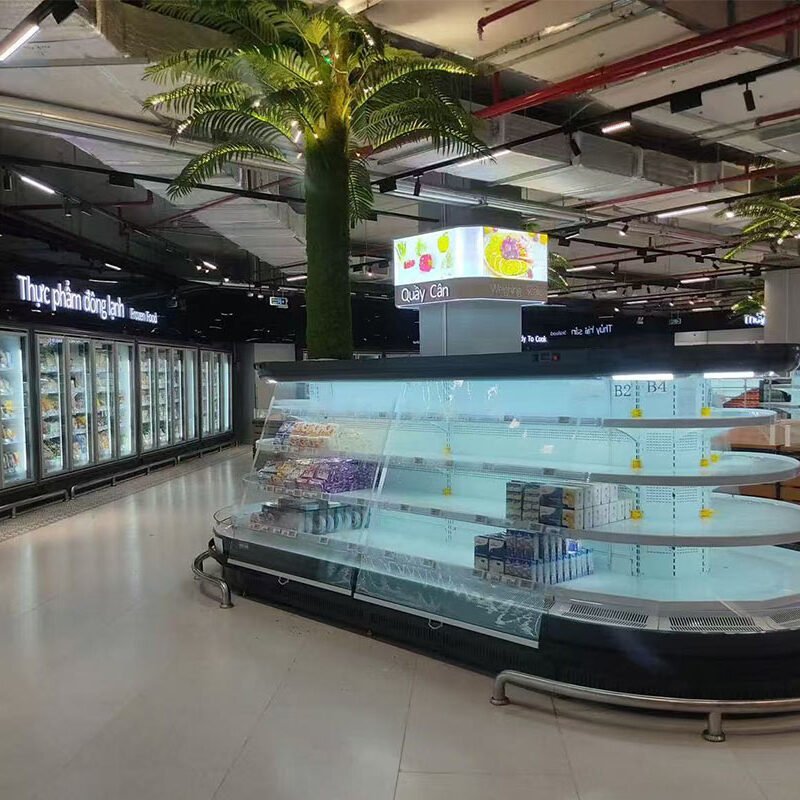
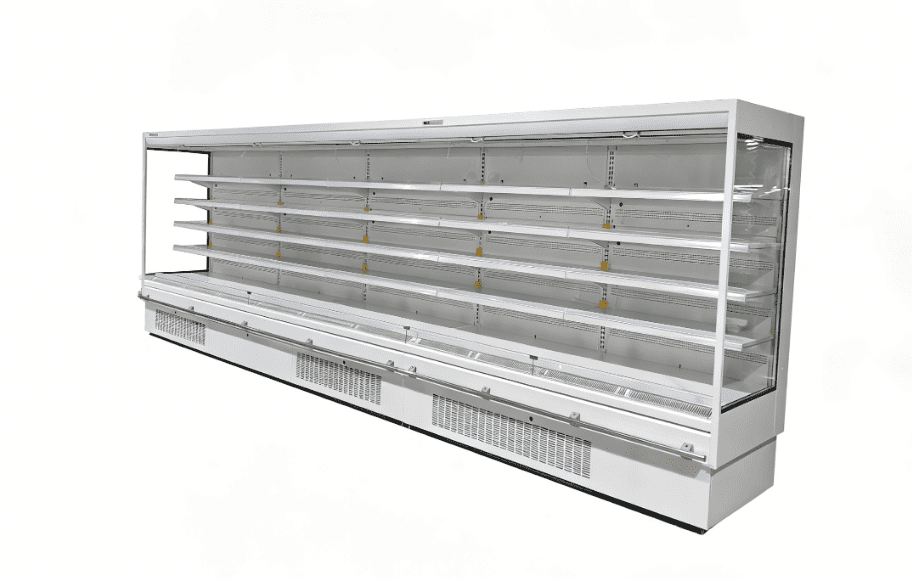
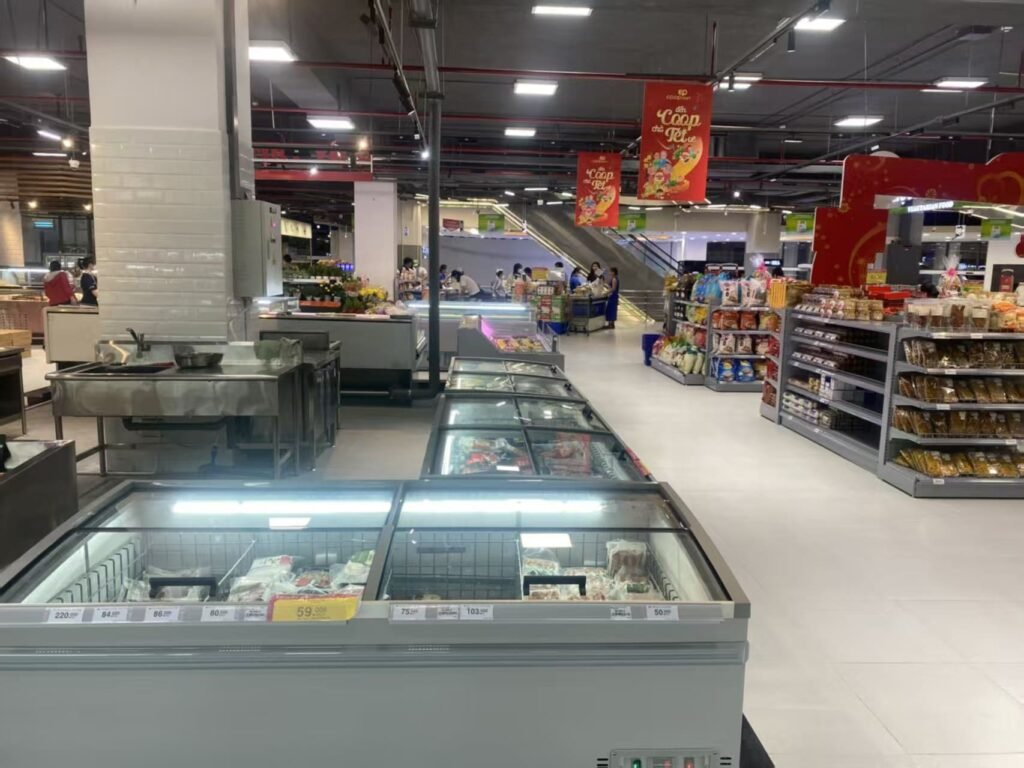
Open Display Cases: Open display refrigerators are commonly used in supermarkets for fresh produce, beverages, dairy, and deli items. Their design emphasizes visibility, making it easy for customers to browse products. However, these units tend to have higher energy consumption due to the open layout and continuous airflow, which can lead to increased operating costs. The aesthetic appeal of these units can also lead to higher prices.
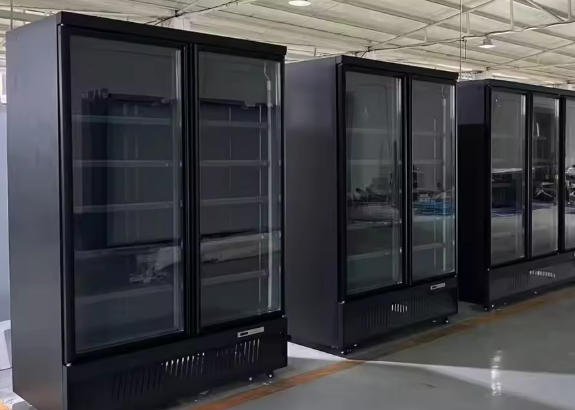
Reach-In Refrigerators: These refrigerators, which include units with one, two, or three doors, are perfect for back-of-house or front-facing areas where space is limited. Reach-ins are commonly used for storing dairy products, meats, and packaged foods. Their pricing depends on the number of doors, internal configuration, and energy efficiency features.
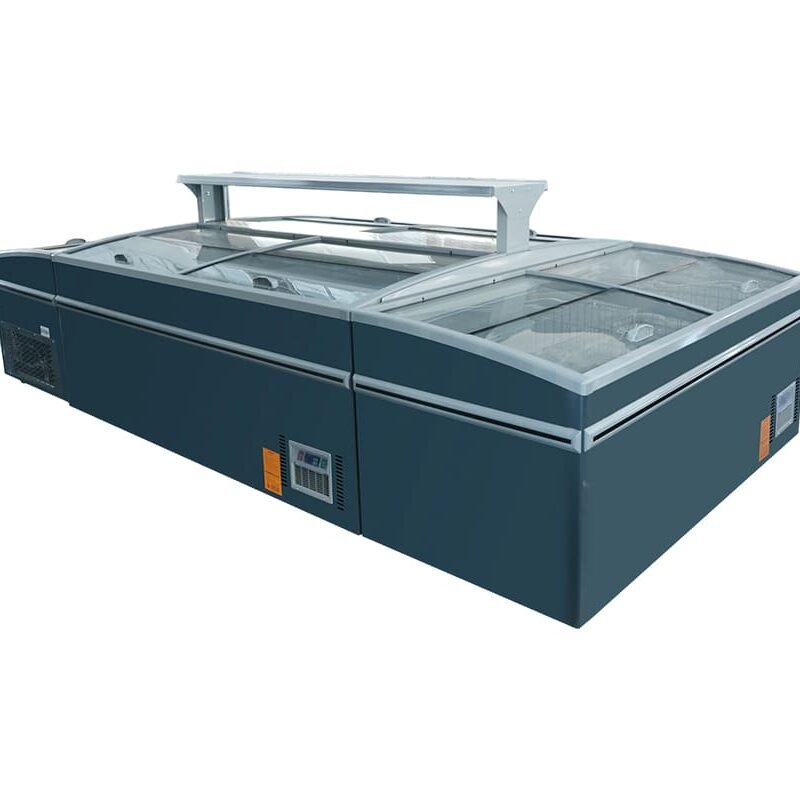
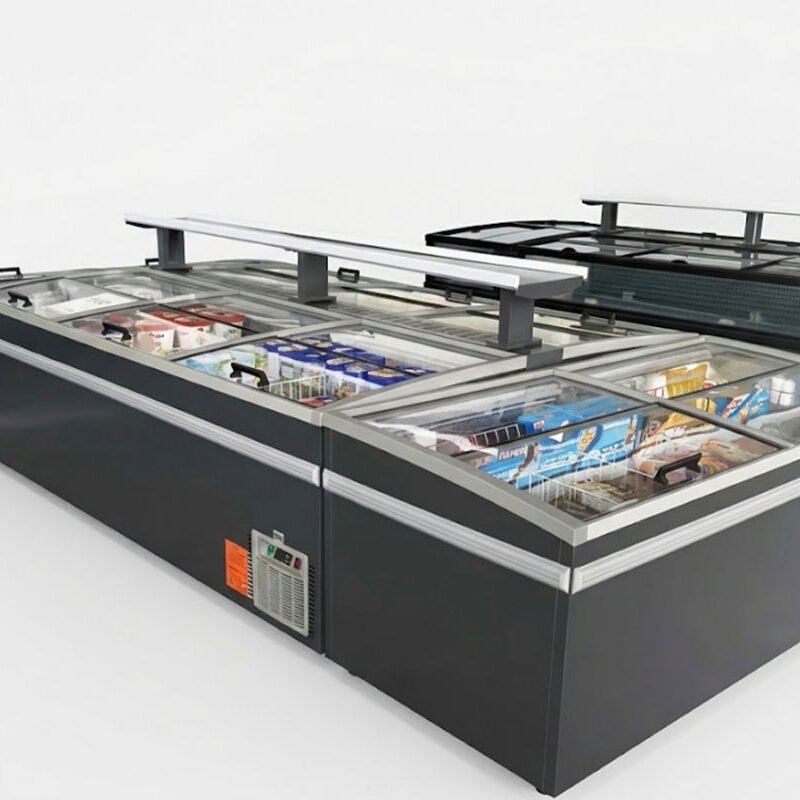
Walk-In Coolers & Freezers: Large walk-in units are used for bulk storage, whether it’s frozen foods or perishable items. These units offer significant storage capacity but are more expensive due to their size and the heavy-duty cooling systems required. They are ideal for supermarkets with high-volume inventory but require larger spaces and substantial energy consumption.
Size and Capacity
The size and capacity of a refrigerator have a direct impact on both its upfront cost and long-term operating expenses. Larger units require more power to operate, and thus, their energy consumption is generally higher. Additionally, the layout of a refrigerator plays a crucial role in storage efficiency.
Compact Units: Smaller refrigerators (under 10 cubic feet) are ideal for tight spaces or low-volume storage. They are cost-effective upfront but may not be ideal for larger stores that need to store a variety of products.
Medium-Sized Units: Supermarkets that handle moderate product turnover may opt for medium-sized refrigerators. These units usually balance price and performance, offering sufficient space while maintaining a lower energy cost than large walk-ins.
Large Walk-In Units: These are typically found in the back-of-house or stockroom areas. Their capacity can range from 50 cubic feet to several thousand cubic feet. Though they are expensive to install, large units offer economies of scale for high-volume storage and often come with advanced temperature regulation and humidity control systems.
Energy Efficiency and Operating Costs
Energy consumption is one of the biggest ongoing costs in supermarket operations, and the choice of a refrigerator can significantly impact this. Supermarkets typically operate refrigeration units 24/7, so selecting energy-efficient models can result in substantial savings.
Energy-Efficient Models: Energy-efficient refrigerators are designed to minimize energy consumption through advanced technologies, such as more efficient compressors, energy-saving lighting, and improved insulation. These units often cost more upfront but can help reduce electricity costs over time.
Cost Savings: It is important to calculate the long-term savings on energy bills. For example, supermarkets that switch from traditional models to ENERGY STAR-rated units can save anywhere from 10% to 30% annually on energy costs. Additionally, the latest models often feature low-GWP refrigerants that are better for the environment.
Materials and Durability
The materials used in constructing supermarket refrigerators also influence their price. Common materials include stainless steel, aluminum, and coated steel. Each material offers different benefits in terms of durability, aesthetics, and maintenance.
Stainless Steel: Known for its longevity and resistance to corrosion, stainless steel is the go-to material for high-end supermarket refrigerators. While more expensive, stainless steel units can handle the demands of a high-traffic commercial environment and require less frequent maintenance.
Aluminum or Coated Steel: Less costly than stainless steel, aluminum and coated steel refrigerators can still offer good performance. However, they may not be as durable in the long run, especially in humid or corrosive environments.
Brand and Manufacturer Reputation
The reputation of the manufacturer plays an important role in the price of the refrigerator. Well-established brands often command a premium because they are known for producing reliable, long-lasting equipment with strong warranties and customer support.
Leading Brands: Manufacturers like Eddysen and True are known for producing high-quality, energy-efficient refrigerators. Their products come with longer warranties and often offer superior cooling performance, but they are typically at the higher end of the price spectrum.
In Conclusion
When selecting a refrigerator for a supermarket, it’s crucial to balance upfront costs with long-term operational savings. Although energy-efficient and high-end models come at a premium, they can reduce long-term energy costs and offer greater reliability. Similarly, choosing the right size, type, and materials based on your supermarket’s specific needs can result in better storage solutions and lower operational risks.