Choosing the wrong display refrigerator can increase energy costs and reduce product freshness. Many retailers struggle between open and closed designs when planning supermarket refrigeration equipment.
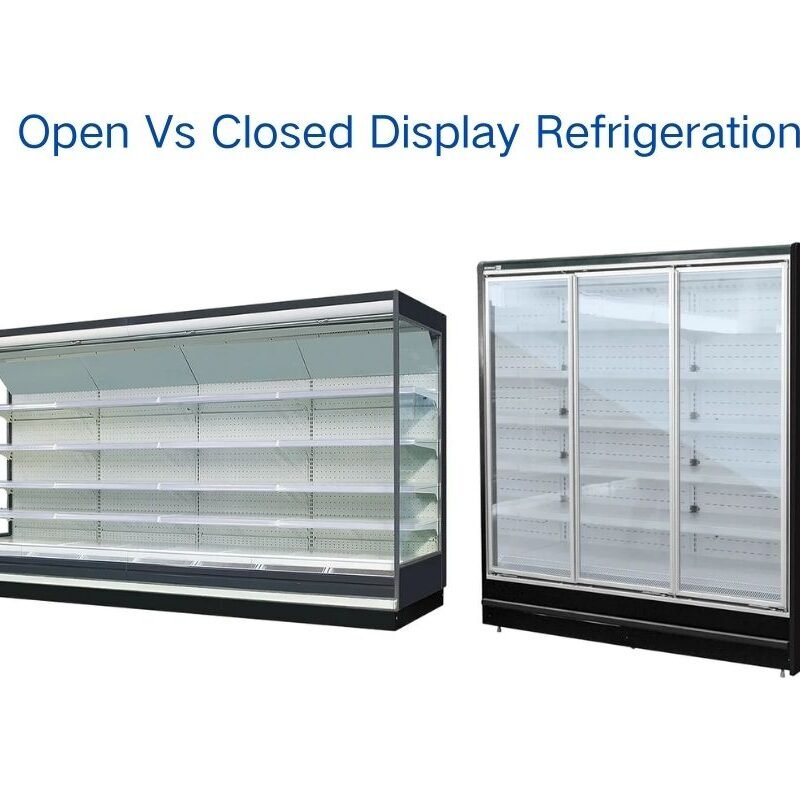
Open display refrigeration allows easy customer access and attractive product visibility, while closed display refrigeration provides better energy efficiency and stable temperature control. Choosing the right option depends on your store layout, product type, energy goals, and customer shopping behavior. Let’s explore the key differences between open and closed display refrigeration systems.
What Is Open Display Refrigeration?
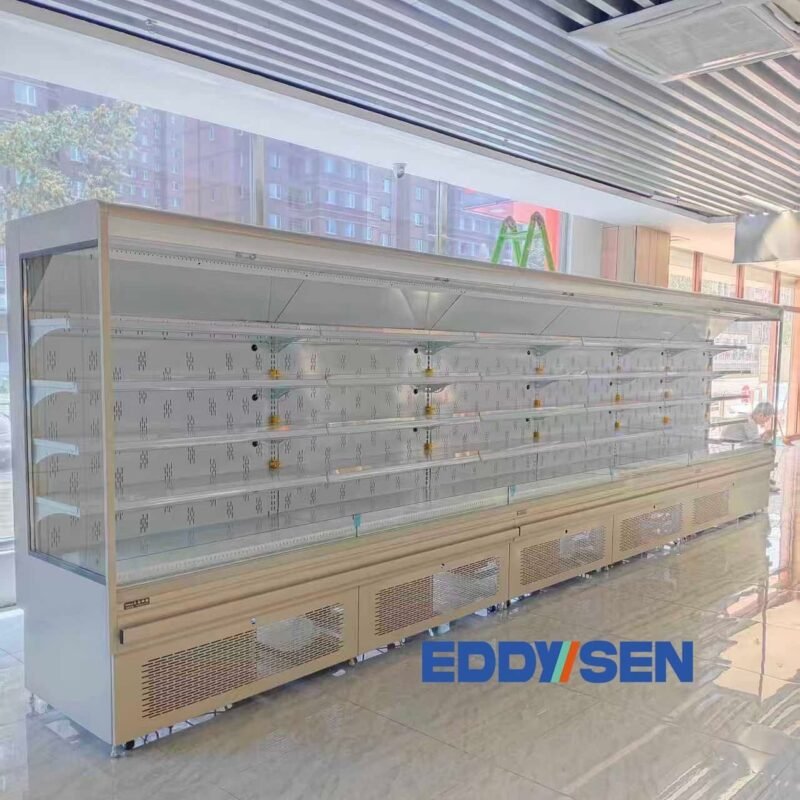
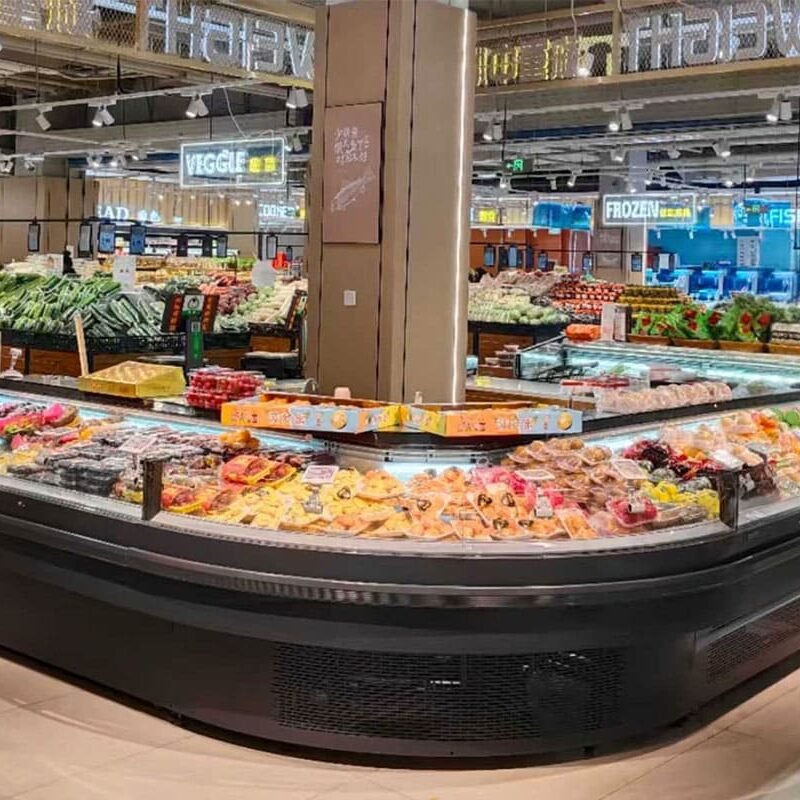
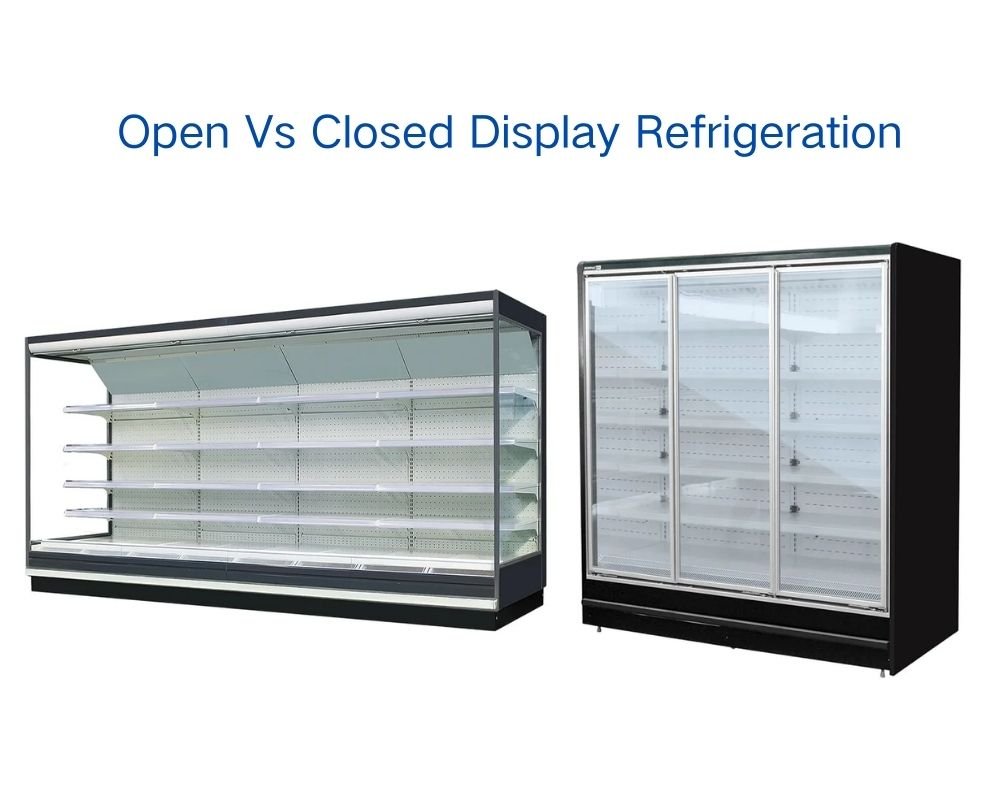
When you design your supermarket refrigeration layout, open display refrigeration is often the first equipment you consider for high traffic retail zones. These commercial display refrigerators allow customers to pick up products easily without opening any door.
Open display refrigeration commonly appears in multideck cabinets, air curtain refrigerators, and beverage display units. These cabinets use a cold air curtain system that circulates chilled air across the front opening to maintain cooling performance while keeping the cabinet accessible.
What Is Closed Display Refrigeration?
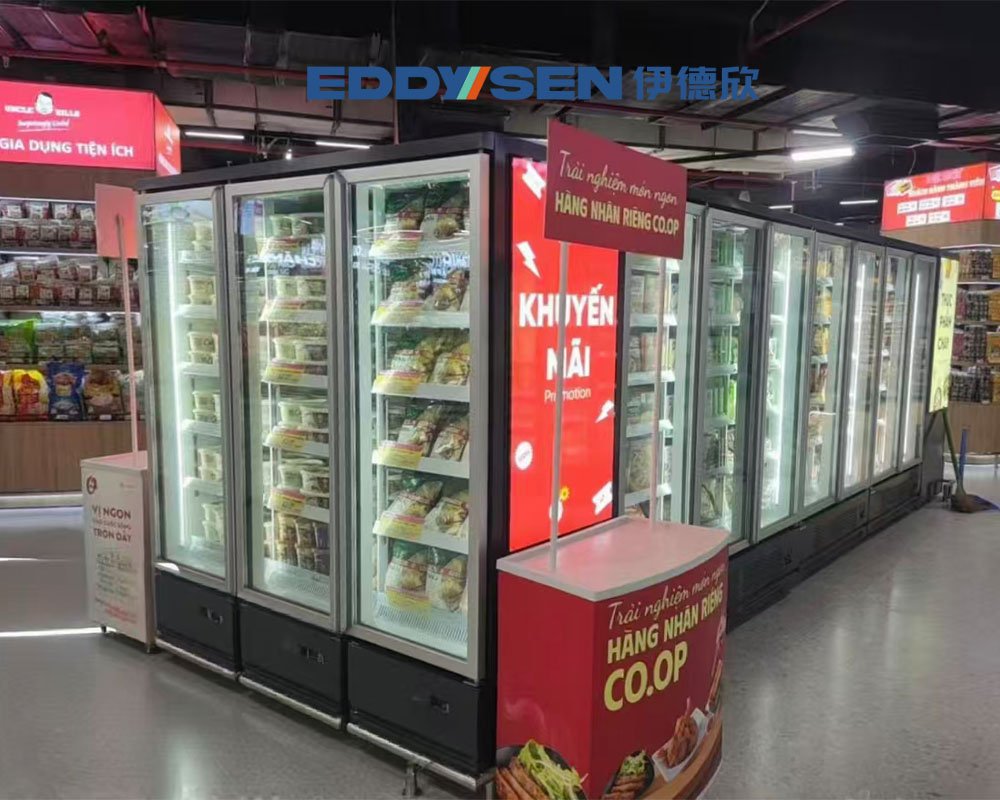
Closed display refrigeration refers to commercial display refrigerators equipped with glass doors that seal the cold air inside the cabinet. These glass door refrigerators are commonly used in supermarkets, grocery stores, and beverage retail environments.
When you install closed display refrigeration, the glass door creates a controlled cooling environment. The refrigeration system can maintain consistent temperatures, which helps preserve food quality and reduce energy loss.
What Are the Key Differences Between Open and Closed Display Refrigeration?
Before you purchase commercial refrigeration equipment for your store, you should compare several important factors that influence daily operation and long term operating costs.
1. Customer Access
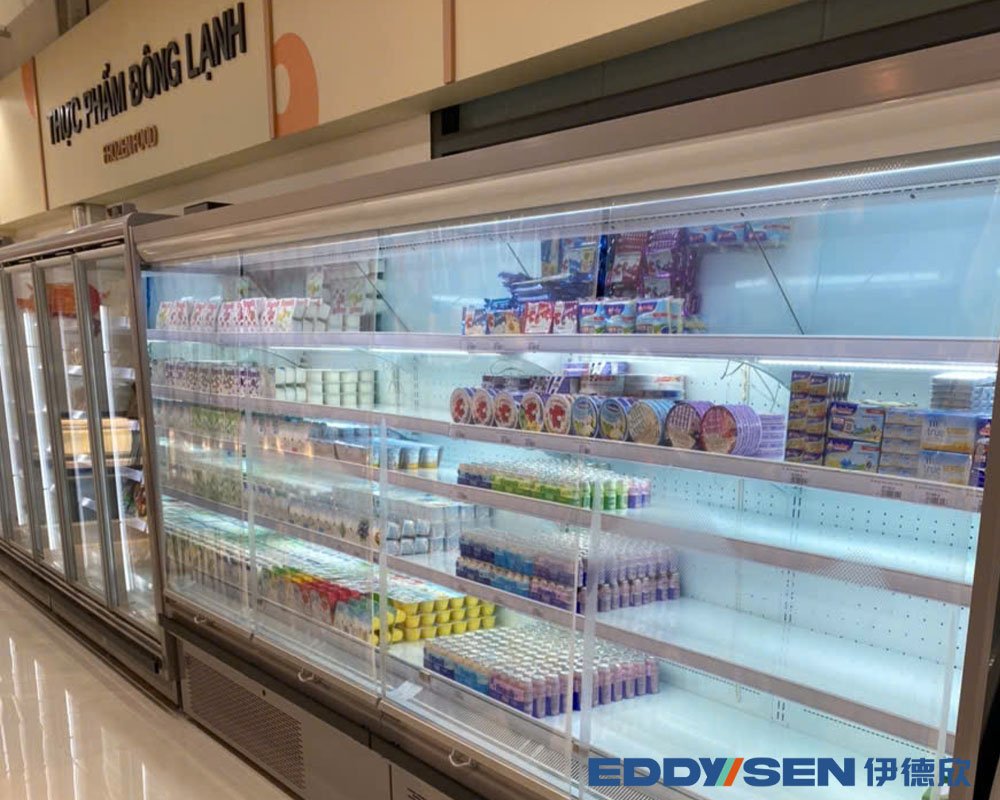
- Open display refrigeration allows customers to directly pick up products without opening a door. This design creates a smooth and fast shopping experience, which is why it is commonly used in supermarkets for drinks, dairy products, and ready-to-eat food.
- Closed display refrigeration requires customers to open a glass door to take products. While this adds a small step to the shopping process, it helps maintain a stable internal temperature and reduces cold air loss.
2. Energy Consumption
Energy efficiency is a major factor for stores operating refrigeration systems 24/7.
- Open display refrigeration consumes more energy because cold air constantly escapes into the surrounding environment. The refrigeration system must work harder to maintain the required temperature.
- Closed display refrigeration is more energy-efficient. Glass doors prevent cold air from escaping, reducing compressor workload and lowering electricity costs over time.
3. Temperature Stability
Maintaining the correct temperature is essential for food safety and product quality.
- Open display refrigeration provides moderate temperature stability. Frequent air exchange with the store environment can cause small fluctuations.
- Closed display refrigeration offers stronger temperature stability because the sealed cabinet helps maintain consistent cooling conditions.
4. Product Visibility
- Open display refrigeration offers excellent product exposure. Without doors or barriers, products are fully visible, which can encourage impulse purchases.
- Closed display refrigeration still provides good visibility through transparent glass doors, though reflections or condensation may slightly affect the display.
5. Best Applications
Each refrigeration type is better suited to certain products and store layouts.
- Open display refrigeration is commonly used for fresh foods, beverages, salads, and ready-to-grab items in supermarkets and convenience stores.
- Closed display refrigeration is typically used for frozen foods, ice cream, and packaged goods that require more stable temperatures.
Summary Table
| Feature | Open Display Refrigeration | Closed Display Refrigeration |
|---|---|---|
| Customer Access | Direct access without doors | Customers open glass doors to access products |
| Energy Consumption | Higher energy use | Lower energy consumption |
| Temperature Stability | Moderate temperature control | Strong temperature stability |
| Product Visibility | Excellent display exposure | Good visibility through glass doors |
| Best Application | Fresh foods and beverages | Frozen food and packaged goods |
What Are the Advantages and Disadvantages of Open Display Refrigeration?
When you plan the refrigeration layout of your supermarket or convenience store, understanding the strengths and limitations of open display refrigeration helps you make a more balanced purchasing decision.
| Aspect | Advantages of Open Display Refrigeration | Disadvantages of Open Display Refrigeration |
|---|---|---|
| Customer Access | Customers can directly pick up products without opening doors, which improves shopping convenience and speeds up purchasing decisions. | Continuous customer access can cause frequent temperature fluctuations inside the cabinet. |
| Product Visibility | Products are fully visible from the aisle, helping you create attractive merchandising displays that increase impulse purchases. | Because products are exposed to the open environment, lighting and air circulation must be carefully managed to maintain freshness. |
| Sales Performance | Open multideck refrigerators encourage spontaneous buying behavior, especially for beverages, dairy products, and ready to eat foods. | Increased product exposure may lead to faster temperature changes if products are not restocked regularly. |
| Store Layout | Open display cabinets help create an open and modern supermarket environment that encourages browsing. | These cabinets usually require more floor space and careful aisle planning. |
| Energy Consumption | Modern air curtain refrigeration technology helps maintain cooling performance while keeping the cabinet open. | Open refrigeration systems typically consume more electricity than glass door refrigerators because cold air escapes more easily. |
| Best Product Types | Ideal for high turnover items such as beverages, fresh produce, salads, and packaged foods. | Not suitable for frozen foods or products that require very stable temperature control. |
What Are the Advantages and Disadvantages of Closed(glass door) Display Refrigeration?
What Are the Advantages and Disadvantages of Closed (Glass Door) Display Refrigeration?
Closed (glass door) display refrigeration is widely used in supermarkets, convenience stores, and retail food environments. By using transparent doors to seal the refrigerated cabinet, this type of equipment helps maintain a controlled cooling environment while still allowing customers to view products easily.
| Aspect | Advantages | Disadvantages |
|---|---|---|
| Energy Efficiency | Glass doors reduce cold air loss, allowing the refrigeration system to operate more efficiently and consume less electricity. | Doors must be opened by customers, which can still cause temporary cold air loss if frequently used. |
| Temperature Stability | A sealed cabinet maintains consistent internal temperatures, which is ideal for frozen foods, dairy products, and other temperature-sensitive items. | Temperature may briefly fluctuate when doors are frequently opened during busy hours. |
| Product Preservation | Stable cooling conditions help extend shelf life and reduce product spoilage, improving food safety. | If door seals are damaged or not maintained properly, cooling performance may decline. |
| Operating Cost | Lower energy consumption can significantly reduce long-term electricity costs for retailers. | Initial purchase cost is often higher than open display refrigeration units. |
| Product Visibility | Transparent glass doors allow customers to clearly see products while keeping the cooling environment protected. | Glass doors may experience condensation or reflections that slightly reduce visibility. |
| Store Comfort | Because cold air is contained within the cabinet, the surrounding store environment remains more comfortable for customers and staff. | Customers must open doors to access products, which may slightly reduce convenience compared with open displays. |
| Sustainability | Lower energy usage contributes to more environmentally friendly store operations. | Glass doors require regular cleaning and maintenance to keep the display attractive. |
How Can You Choose the Right Refrigeration Equipment for Your Store?
Choosing the right commercial refrigeration equipment is important for maintaining product quality, energy efficiency, and a smooth shopping experience. Before making a decision, store owners should evaluate several key factors that influence both daily operations and long-term costs.
Analyze Store Layout and Customer Traffic: Consider how customers move through your store. High-traffic areas usually benefit from open display refrigeration, which allows quick product access and encourages impulse purchases.
Evaluate the Products You Sell: Different products require different refrigeration solutions. Fresh produce and beverages work well in open multideck refrigerators, while frozen foods and ice cream require glass door freezers or closed display refrigeration to maintain stable temperatures.
Consider Long-Term Energy Costs: Energy consumption is a major operating expense. Closed display refrigeration helps reduce electricity usage by minimizing cold air loss, making it a more energy-efficient option for many stores.
Choose a Reliable Manufacturer: Working with an experienced commercial refrigeration manufacturer ensures you receive high-quality equipment, proper installation, and customized display solutions for supermarkets, convenience stores, or fresh food retailers.
In Conclusion
Open display refrigeration enhances product visibility and quick customer access, while glass door closed display refrigeration delivers stronger energy efficiency and stable cooling for product preservation. Eddysen provides reliable commercial refrigeration solutions designed to help supermarkets optimize product display, reduce energy costs, and improve retail performance.